Dota 2 scripts are the individual functions inside a cheat — hero combos, visuals, last-hit helpers, dodge — and a cheat is the program that bundles them into one interface. This page is our hub for those Dota 2 scripts: what the types do, what Melonity says it automates hero by hero, and where the risk actually sits.
Hi there. I bet cheats for Dota have crossed your mind at least once: like every other game, it has its own in-game helpers and a whole market of people selling and buying them.
In this guide we break down what a Dota 2 cheat is, how the script types differ, and which hero scripts Melonity puts up front. Per Melonity (melonity.gg/en, checked 2026-11-12), the current V2 build has more than 500 functions, and new accounts get a free trial.
Cheats vs scripts: the vocabulary
These two words tend to show up side by side when people talk about Dota 2, so first let’s sort out what separates them.
In player slang, “scripts” usually means single functions that make the game easier, fire off key combos or mouse moves for you, or swap something out.
A “cheat”, on the other hand, is the program bundling every one of those scripts and functions, coordinating them and giving you an interface to control them. Put simply, it is a whole package of programs and functions in one.
That is why a name like Melonity points precisely to the dota cheat and the scripts packed inside it.
Once the terms are clear, our Dota 2 cheats roundup compares the leading options and shows where each toolkit fits.
Which types of scripts exist for Dota?
There are tons of them, as you would guess. I sorted them into groups.
Hero scripts
Within cheats, hero scripts rank among the key groups: their job is to automate tricky abilities and combos for each character. Unsurprisingly, they make the hardest heroes to play into easier picks, and in skilled hands they become the part of the toolkit people talk about first.
At their core they handle procs, illusion micro and item synergy for you, and they aim to execute each step with consistent timing.
To keep this section from dragging on, I will only walk through two of the heroes cheaters ask about most — Invoker and Arc Warden — and then the hub below lists what Melonity itself highlights.
Invoker
Few heroes in Dota 2 demand as much mechanical skill as Invoker, and autocast scripts take that burden off. They handle invoking and landing spell combos for you: Sun Strike paired with Chaos Meteor, rapid swaps among Quas, Wex and Exort. In Melonity, the vendor describes this as automatic Sunstrike and complex casts, so even newcomers can run those sequences with less need to memorize every orb rotation.
Arc Warden
On Arc Warden, cheat scripts steer his clones and keep Spark Wraiths coming. A Spark Wraith spam function places those charges on the right spots by itself.
The script also runs clones for farming: you can tell them to clear creeps in a lane or in the jungle on autopilot, sending them down set paths while your main hero handles something else. Melonity’s own line for this hero is that each clone “plays better than any ally.”
Scripts exist for other heroes too — the menu is a long list, not a two-hero toy — and the hub in the next section sticks to what we can source from Melonity’s site or from the product UI already on this page.
Dota 2 hero scripts: what Melonity automates, hero by hero
This is the hub. Below is what Melonity currently highlights on melonity.gg/en for its Dota 2 hero scripts (checked 2026-11-12), in the vendor’s own wording, plus one extra hero confirmed by the screenshot already on this page. We are not treating these lines as our test results.
- Shadow Fiend. Per Melonity, the script “presses ZXC and makes combos better than any ‘ghoul’.”
- Invoker. Per Melonity, automatic Sunstrike and complex casts. We have a separate guide to the Dota 2 Invoker script if you want that hero in more depth.
- Meepo. Per Melonity, it controls clones and automates complex combos.
- Arc Warden. Per Melonity, “each of your clones plays better than any ally.”
- Sky Mage. Melonity lists this name on the site — it’s Skywrath Mage — and says the script automates even the most complex combos on the character.
- Pudge. Per Melonity: “Forget about missing hooks, the enemy won’t run away.”
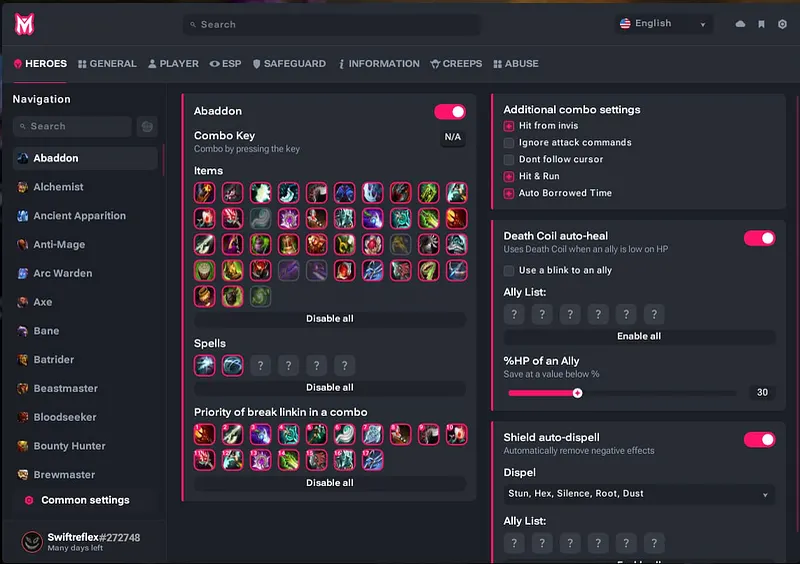
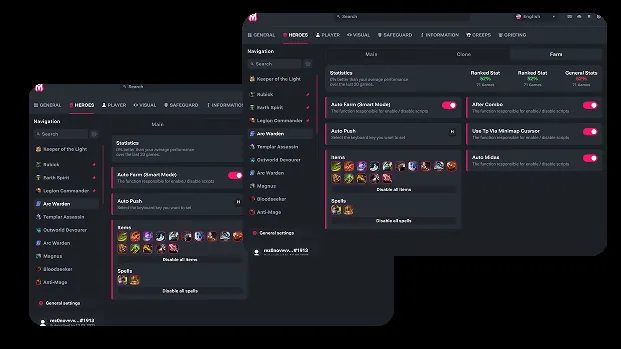
- Abaddon. Melonity’s public highlight list does not name Abaddon, but the hero-script menu already shown on this page opens on a dedicated Abaddon panel: combo key, item and spell toggles, plus Death Coil auto-heal and Shield auto-dispel options. That is what the screenshot shows, not a separate vendor slogan.
Melonity also describes this block as “hero scripts for any situation” and “our core Dota 2 script functionality — automating everything.” New accounts get a free trial if you want to see the menu yourself; the button at the top of this page is the one we use for that.
Visual functions and scripts
As the screenshots show, the visual functions of Dota 2 cheats come down to scripts that show you specific information, warn you about something, or are just pleasant to look at.
I split them into two big groups:
Scripts that make in-game events visible
Here belong scripts that put on screen the information generated by players across the map.
Hidden abilities are a good example: you see the position they are cast from and in which direction, plus the area for AOE ones.
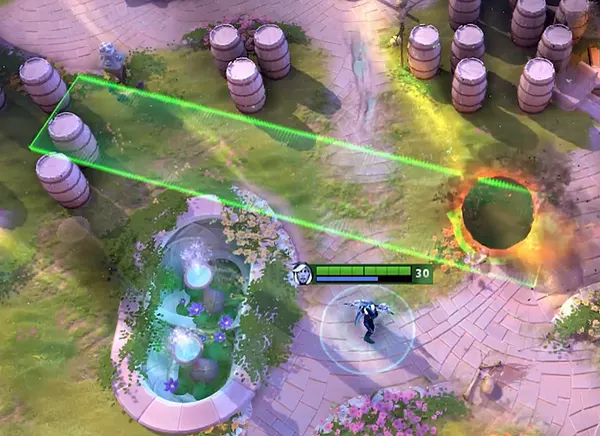
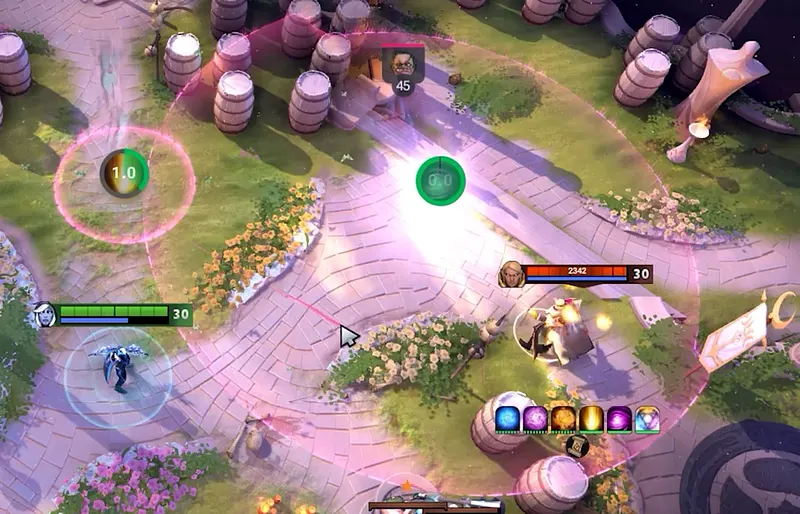
Ward details: their radius, where they were planted and how long they have left, along with a marker by your hero telling you it stands inside a ward’s range — all useful information.
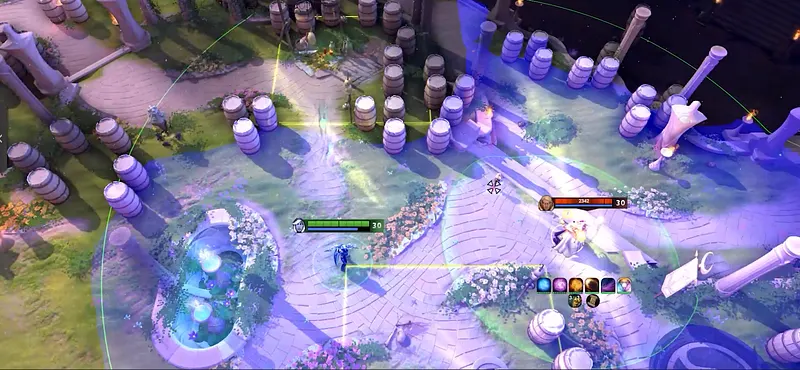
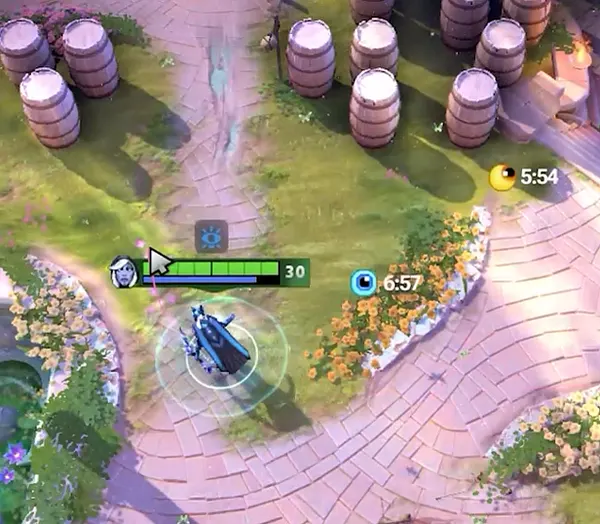
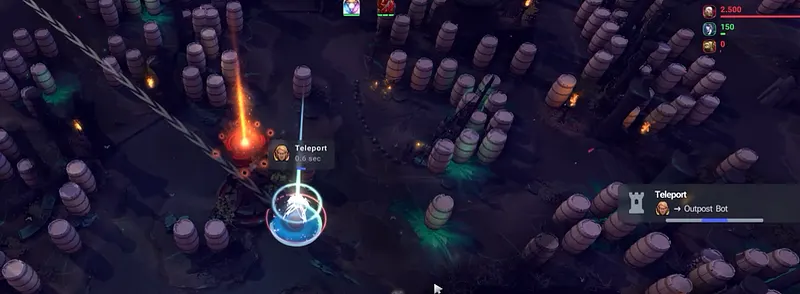
Enemy illusions get highlighted, so do items lying on the ground, teleports from both teams and any smoke the enemy pops.
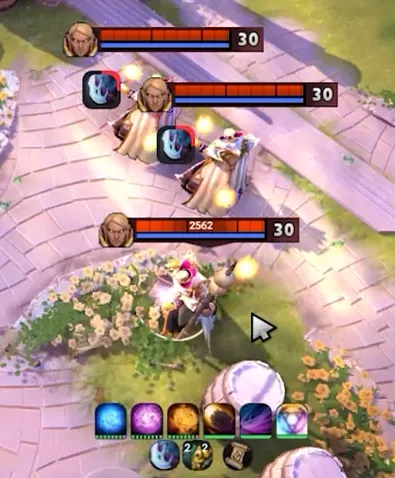
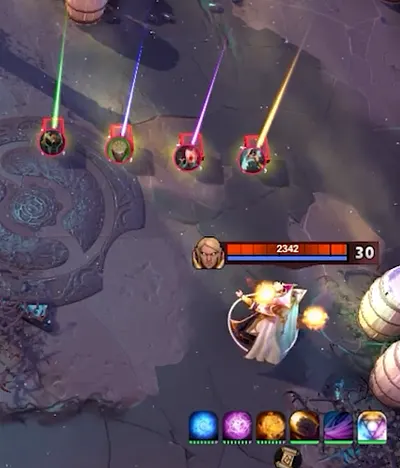
Enemy heroes get even more information coverage than that. The moment the cheat calculates that a single ability from your kit and items would kill a target, a marker pops up over that hero.
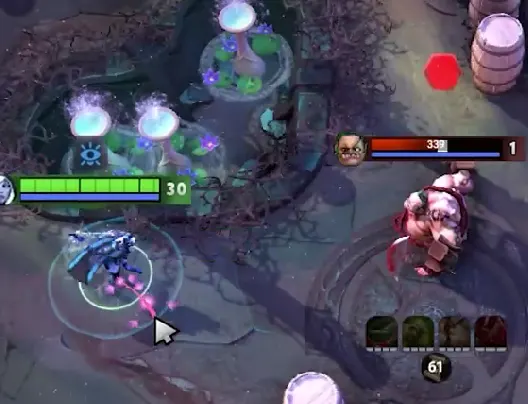
Another set of scripts shows information about your own hero. Of these, the most handy by far is VBE, or Visible by Enemy.
With a slick animation (in Melonity at least), this script tells you that enemy heroes can currently see your character.
Keep in mind that each visual here is customizable, and you can choose from the presets on offer.
Here, for instance, are the VBE indicators you can pick:

Plus radius display, XP gained and your abilities
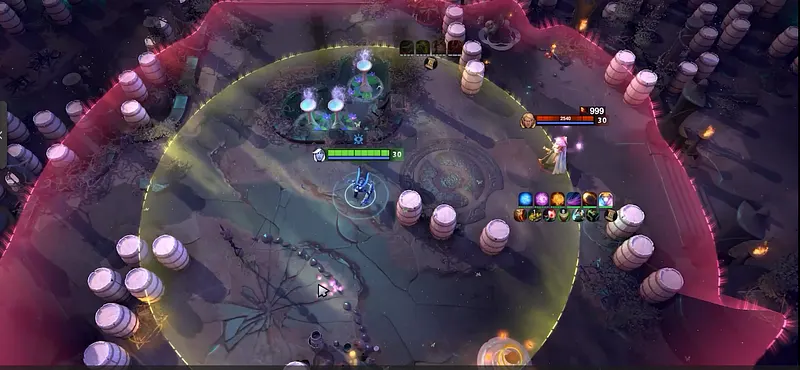
It also covers information about NPCs and in-game items: a Roshan indicator, camp information, rune spawns, tormentors and lotuses. On melonity.gg/en (checked 2026-11-12), the named visual scripts are Jungle Maphack, Roshan ESP, Teleport Preview and Ward Tracker.
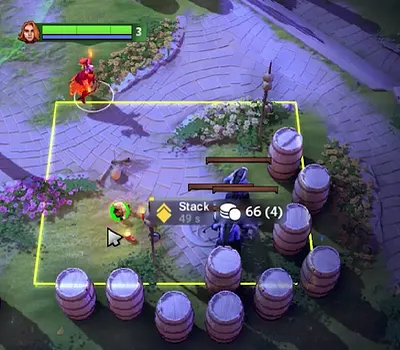
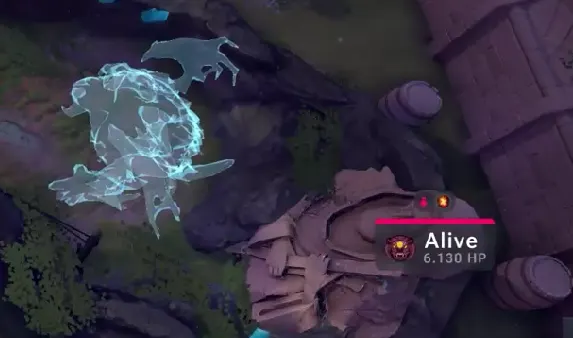
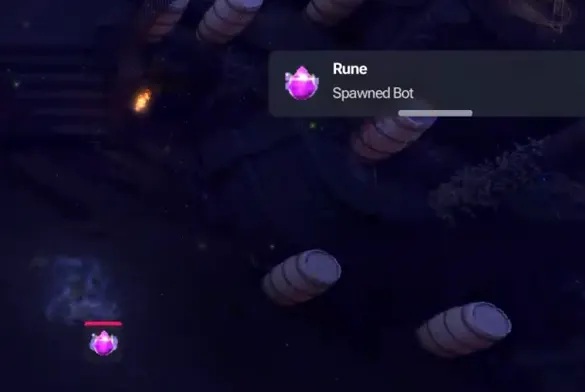
Always-on information
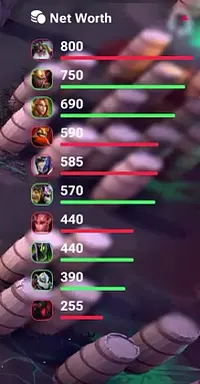
As you probably know, Dota has information that stays fixed and does not depend on what players do on the map.
That kind of data appears on screen as HUD readouts.

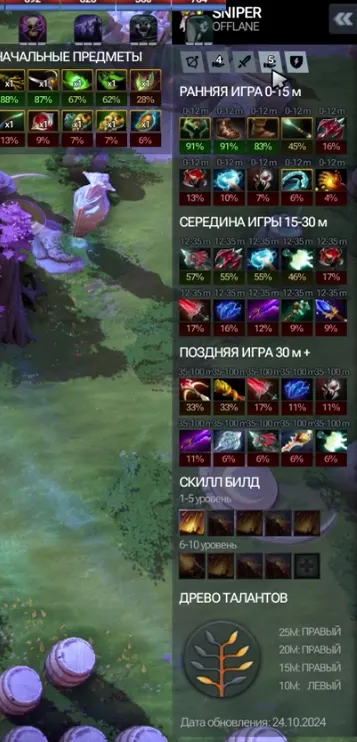
MetaPicker and hero builds
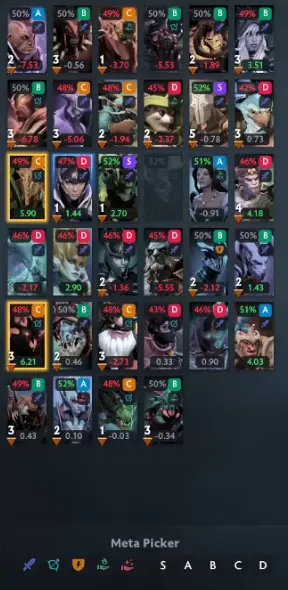
This one is fairly new. Here is how it works: the script reads the current meta together with both drafts, yours and the enemy’s, then works out the strongest pick and item build for your hero.
Skinchanger (inventory changer)
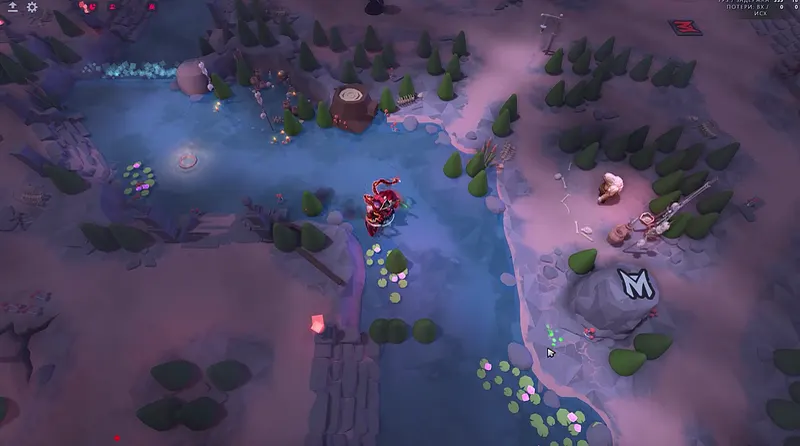
Strictly speaking, the skinchanger is its own standalone module, yet I would still file it under visuals. You likely already know its job: it displays skins, arcanas, terrains, weather effects and items locally in the game client.
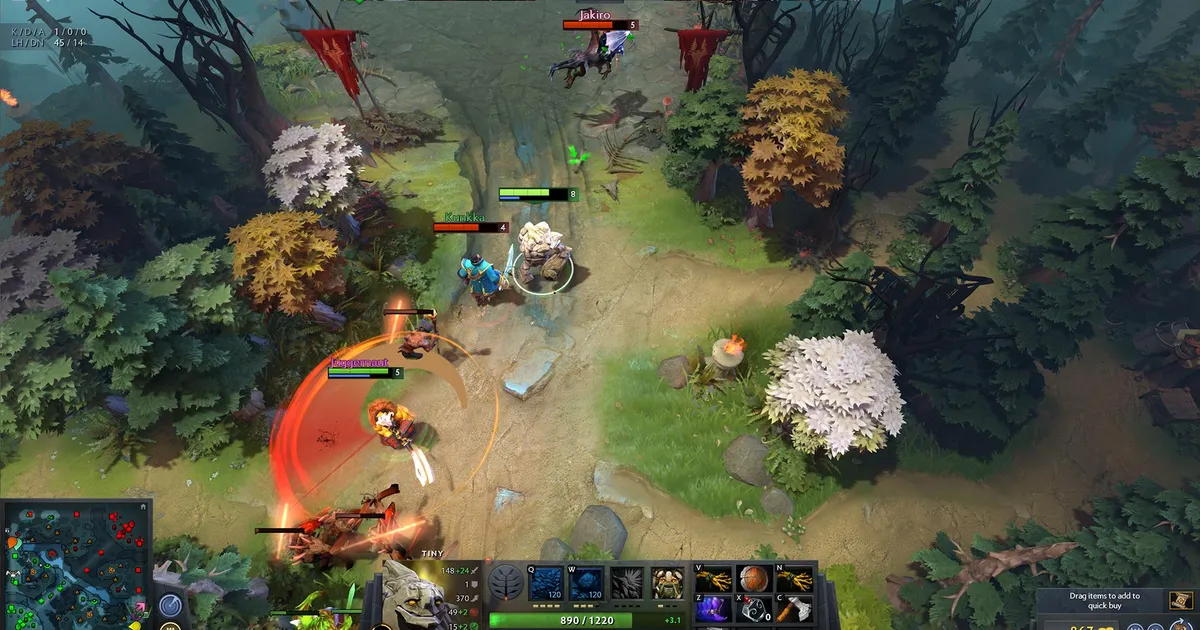
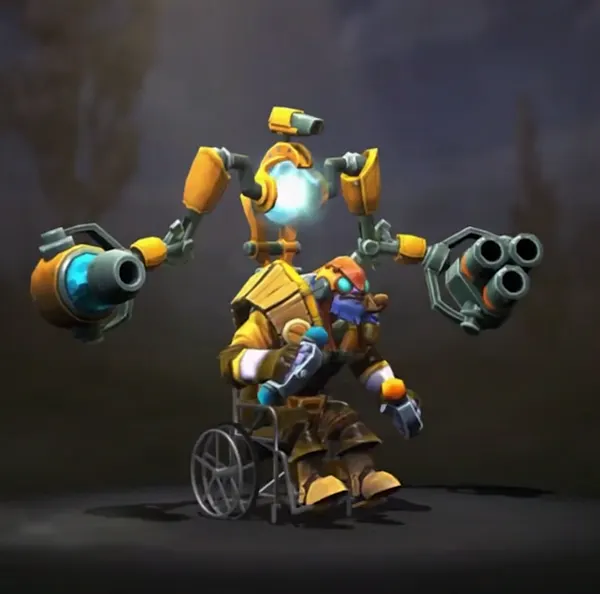
And cheats can go further still. You can, say, play on Valve servers with a one-of-a-kind terrain like Low Poly, or with custom skins. The screenshot below shows that Low Poly map look plus a custom Tinker skin — that is what the image itself is.
Helper scripts
In terms of features and how much they shape a match, this is among the biggest parts of any cheat.
This is where scripts and hacks live that automate or change the game outside your hero’s own abilities.
Last Hit
A must-have script that finishes creeps on its own once their HP drops to exactly one hit. Under the hood it tallies the damage creeps take from towers, from fellow creeps and from enemy heroes; that is trickier than it looks, since misses come into play as well.
Camera Hack
Among the toughest scripts to build and also one of the handiest. It lets you zoom the map in and out with the mouse wheel, StarCraft-style. A lot of players find the default Dota camera tight once they have tried this.
Auto Pick, Ban Heroes
A pretty basic script: you choose heroes, and the cheat bans and picks them for you in the draft. A small perk that cuts out some routine.
Auto Dodge
Another very handy one: it sidesteps enemy abilities for you. Think Pudge’s Hook or assorted stuns.
Once triggered, it fires items and abilities that can change the hero’s position fast, or briefly takes over the hero to slip out of incoming spells.
MapHack
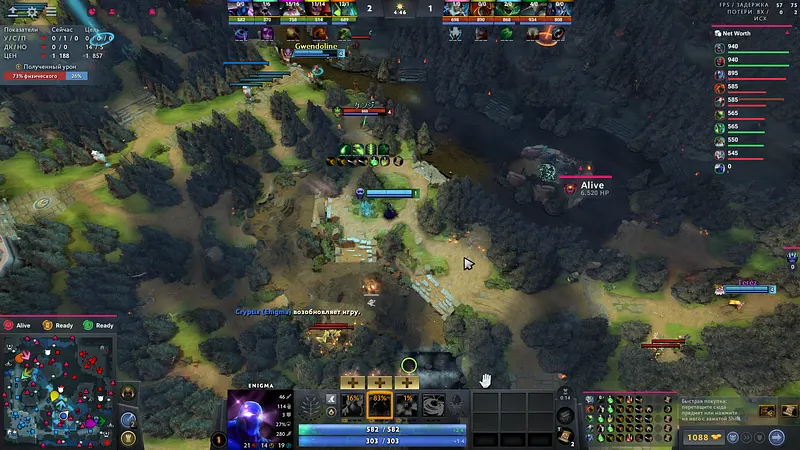
A core function of many hacks: it shows last-known or otherwise observable enemy position clues around the fog of war. You could call it a helper function, yet it is important enough that it gets its own spot.
One of the screenshots further up already shows maphack at work.
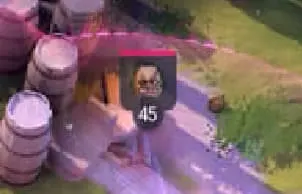
On melonity.gg/en (checked 2026-11-12), Jungle Maphack is described as displaying enemy character icons in the fog of war when they use abilities. Teleport Preview is listed alongside it: the script shows where an enemy is moving from and where a TP is heading. We are repeating the vendor’s current wording here, not a test of what the fog of war can or cannot expose in every patch.
The screenshot below shows a courier-maphack indicator.
How safe cheats really are
Obviously, nobody can promise you with 100% certainty that your account will never get banned. Most people still look at Dota 2 scripts because they make the game feel fresh again and bring back emotions they have not felt from it for ages.
That said, current tools use methods intended to reduce detection risk, without eliminating it. Let’s quickly go over how VAC operates at a high level, so the rest of this makes more sense.
How VAC operates
Game anti-cheats come in two main flavors: those on the server and those on the client, and the client kind has several tiers of access.
VAC runs a client module that verifies the game files are intact, plus a server module that looks at the commands your client sends. The checks number in the dozens, far too many to list.
Then there are anti-cheats such as Vanguard or FACEIT Anti-Cheat that use kernel-mode drivers. This gives them deeper system access, which also raises compatibility and privacy considerations. That access is not proof of misuse, but it does require more trust and can create compatibility issues.
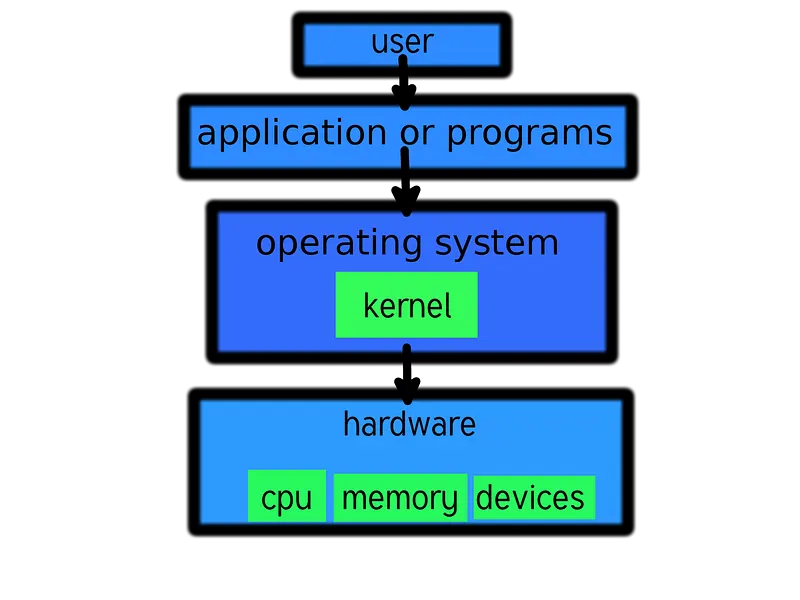
Still, don’t assume VAC is a weak anti-cheat. VAC should not be treated as weak: it remains a mature anti-cheat system that continues to evolve.
Valve keeps refining what it can see from the access it has. Cheats keep evolving alongside it, but only a small number of products have maintained a long public history of updates. Melonity, for its part, says it has been an industry leader for 7 years (melonity.gg/en, checked 2026-11-12).
Humanizer and Dota 2 protection
The name gives it away: Humanizer is designed to make automated activity look less mechanical. Its purpose, as vendors describe it, is to reduce exposure to server-side checks and replay review, not to guarantee protection.
Below you can see humanizer at work with creepblock turned on. It illustrates how the product alters camera and mouse input patterns.
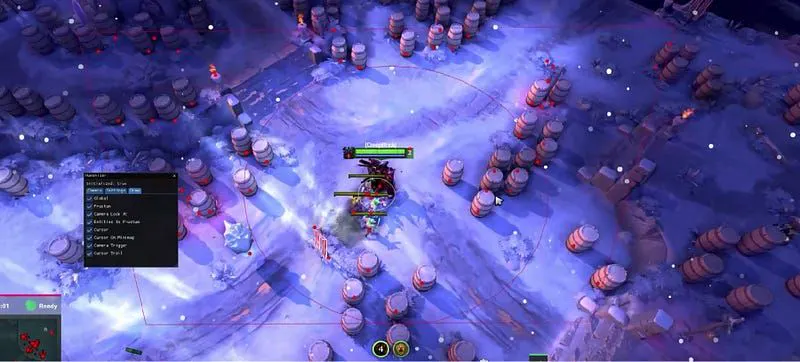
On melonity.gg/en (checked 2026-11-12), this sits inside a protection layer Melonity calls Melonity Safe, listed as three modules: AntiVAC, a Spoofer and the Humanizer. That is the vendor’s naming. We are not turning those module names into a promise that VAC will never catch a client, and we are not walking through how any of them work.
Our verdict
For Dota 2 scripts, Melonity is the cheat we would open first. Not because of one toggle — because the public feature list is actually a full package:
- Hero-script depth. Named scripts for Shadow Fiend, Invoker, Meepo, Arc Warden, Sky Mage and Pudge, plus a long per-hero menu (Abaddon is right there on the screen already on this page).
- Visuals and map awareness. Jungle Maphack, Roshan ESP, Teleport Preview and Ward Tracker, in Melonity’s current wording.
- More than 500 functions, per the vendor, rewritten in the V2 build, from a team that calls itself an industry leader for 7 years.
- A free trial for new accounts, so you can open the menu before you pay.
Start with the trial, click through the hero list, then pick a plan if it fits — the button at the top of this page takes you to Melonity.
FAQ
What are Dota 2 scripts, and how are they different from a cheat?
Dota 2 scripts are the individual functions: a hero combo, a last-hit helper, a visual overlay, a dodge. A cheat is the program that bundles those scripts, gives them a menu, and runs them together. Players often use the two words as if they were the same thing, but the script is the feature and the cheat is the package.
Which hero scripts does Melonity highlight?
On melonity.gg/en (checked 2026-11-12), Melonity highlights hero scripts for Shadow Fiend, Invoker, Meepo, Arc Warden, Sky Mage and Pudge. The in-client Heroes menu is broader than that highlight list — the screenshot on this page, for example, opens on a dedicated Abaddon panel.
Can Dota 2 scripts get you banned?
Yes, they can. Third-party scripts and cheats can lead to VAC or game-side penalties, and nobody can honestly promise that an account will never be banned. Melonity lists a protection layer called Melonity Safe (AntiVAC, Spoofer and Humanizer) on its site; that is the vendor’s answer to the risk, not a guarantee.
Does Melonity include an Invoker script?
Yes. Melonity lists Invoker among its core hero scripts and describes it as automatic Sunstrike and complex casts. That is one of the Dota 2 scripts this hub is here to map; the Invoker walkthrough earlier on this page is the short version.
Is there a free trial for Melonity's Dota 2 scripts?
Yes. Melonity offers a free trial for new accounts, with the feature set unlocked so you can look at the hero-script menu before you pay. The vendor’s site currently uses more than one day count for that trial, so we are not repeating a number here — check the account page when you sign up.
Thanks for reading.
Found an outdated claim or broken source? Send a correction request.